

Setting up a Shopify store has never been easier, but what about getting it to rank on Google in 2026? That’s a whole different challenge. AI-powered search results, zero-click answers, and intensifying competition are reshaping how customers discover and choose online stores. Yet, many Shopify merchants still over-rely on paid ads while overlooking critical SEO gaps that limit their long-term growth. The outcome is predictable: rising ad costs, fluctuating traffic, and missed revenue opportunities.
This Shopify SEO Checklist for 2026 flips the script. Whether you’re scaling a DTC brand or managing an established eCommerce store, this guide walks you through what truly matters: what to audit, what to optimize, and how to future-proof your Shopify SEO strategy without sacrificing user experience or conversions.

See How Our Experts Can Drive More Traffic to Your Website!
SEO: Boost your rankings and drive more organic traffic today!
Website Design/Development: Create a stunning website that converts visitors into customers.
Paid Media: Reach the right audience at the right time with expertly managed paid media.
How Shopify SEO Is Evolving in 2026
Shopify SEO isn’t just about sprinkling keywords on your product pages anymore. In 2026, search engines care more about what users are actually looking for, how they experience your site, and whether your brand can be trusted.
With Google’s AI-driven search results and conversational search becoming standard, the focus has shifted to content that answers real questions, shows your expertise, and guides visitors smoothly through your store. Shops that load quickly, clearly communicate value, and establish credibility consistently outperform those still relying on outdated SEO tricks.
Put simply, SEO today goes far beyond metadata and addresses the SEO challenges affecting visibility, trust, and conversions. It’s connected to user experience, conversion optimization, and overall business performance, making it a core part of your growth strategy, not just a technical task.
Technical Shopify SEO Checklist
Every successful Shopify SEO strategy starts with a solid technical foundation. If search engines can’t crawl or understand your store, even the best content won’t get the visibility it deserves.
For complex fixes such as theme customization, schema implementation, or large catalog changes, many brands choose to hire a Shopify developer to ensure SEO improvements are implemented correctly and safely.
Optimize Website Structure & Crawlability
A clean, well-organized site structure benefits both your visitors and search engines. Keep things simple and logical: Home → Collections → Products.
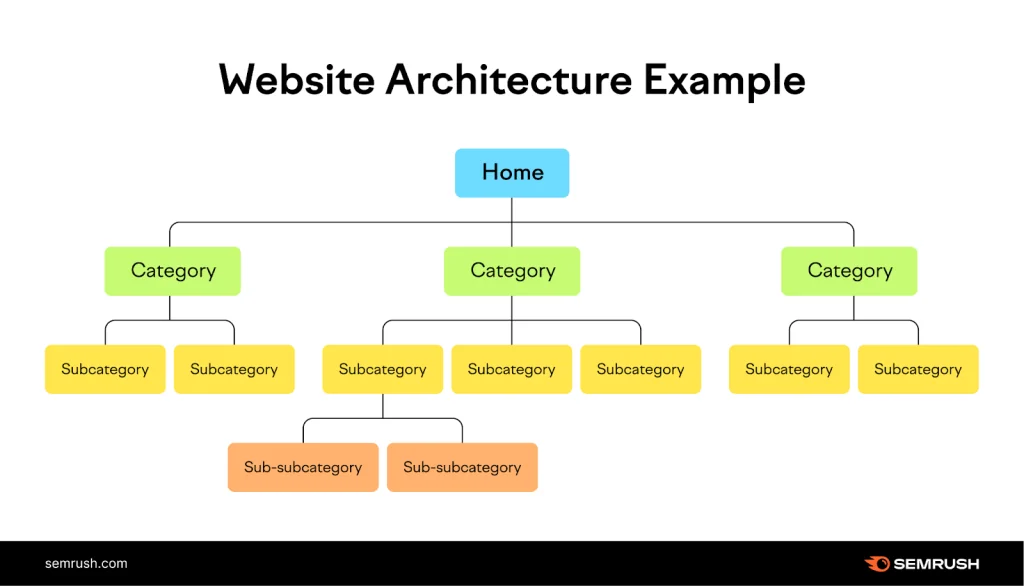
Source: Semrush
Tips for a better structure:
- Avoid excessive product tags and URLs generated by filters; they can create duplicates and confuse search engines.
- Strengthen internal linking between collections and your top-performing products to help authority flow naturally.
- Clear architecture not only improves indexation but also ensures your best pages get the visibility they deserve.
Think of your website like a map. The easier it is to navigate, the faster search engines can understand it, and boost your chances of ranking.
Improve Core Web Vitals & Performance
Website performance doesn’t just affect rankings; it directly impacts conversions. Slow-loading pages frustrate visitors and drive them away, while fast pages keep shoppers engaged and more likely to buy.
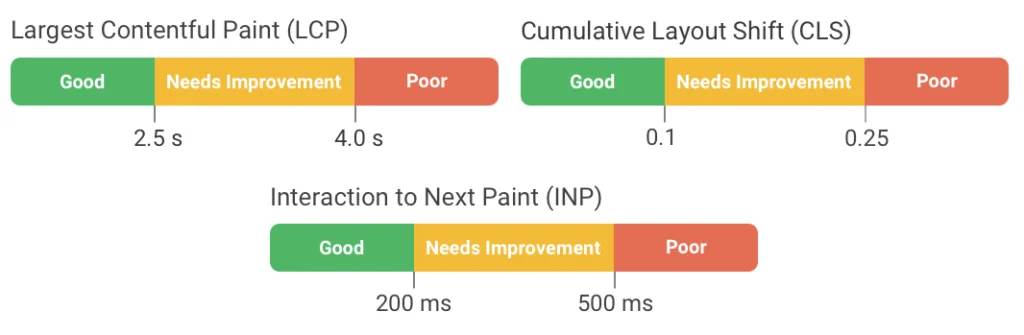
Source: Search Engine Journal
How to boost performance:
- Optimize images using modern formats like WebP and compress them properly.
- Remove unused apps and unnecessary scripts that slow down your website.
- Pick lightweight, speed-focused Shopify themes to ensure fast load times.
Many performance issues resurface over time, which is why ongoing Shopify maintenance plays a key role in keeping Core Web Vitals stable as apps, themes, and features change. Faster pages don’t just help with SEO; they reduce bounce rates and create a smoother shopping experience.
Fix Indexing, Canonicals & Sitemaps
Ensuring search engines see the right pages is just as important as speed.
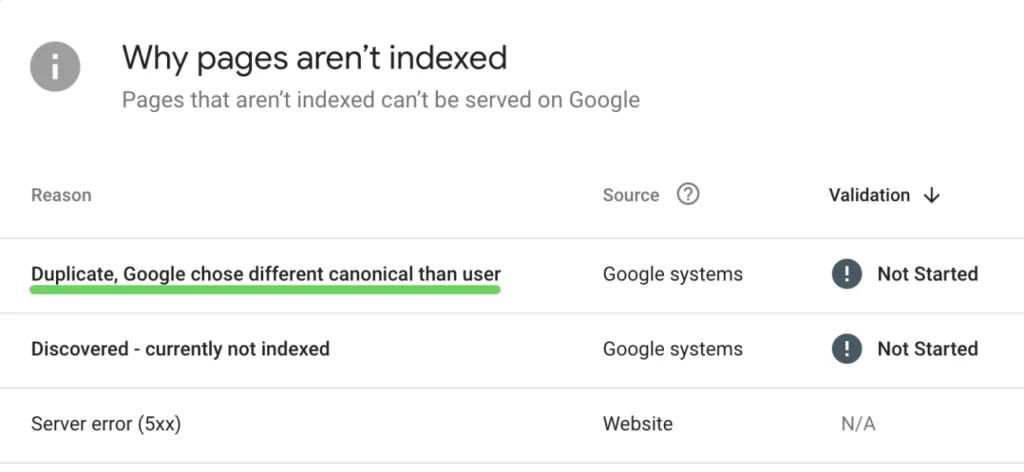
Source: onely
Checklist:
- Use proper canonical tags for product variants to avoid duplicate content issues.
- Prevent duplicate URLs caused by pagination, filters, or tag pages.
- Submit your XML sitemap to Google Search Console and monitor it regularly to make sure all key pages are indexed.
These steps help search engines focus on your most important pages while ignoring irrelevant duplicates, improving your website’s overall SEO health. According to Shopify SEO best practices, a clean website structure and proper indexing help search engines understand product relationships.
On-Page SEO Checklist for Shopify Products & Collections
On-page SEO is where visibility turns into revenue. In 2026, Google values pages that match search intent perfectly and provide real value to visitors.
Smart Keyword Mapping
Proper keyword mapping prevents cannibalization and makes your content more relevant for both search engines and shoppers.
Best practices:
- Use transactional keywords on product pages to capture buyers ready to purchase.
- Apply commercial-intent keywords on collection pages to attract people exploring options.
- Assign one primary intent per page to keep messaging clear and focused.
This approach helps search engines and your customers understand your offerings instantly, boosting rankings and engagement.
Product Page Optimization
A well-optimized product page does more than rank; it builds trust and drives conversions.
How to optimize your product pages:
- Write unique, benefit-focused descriptions that answer the buyer’s question: “Why should I choose this product?”
- Optimize titles and meta descriptions to increase click-through rates from search results.
- Include FAQs to address common buyer concerns and improve your chances of earning rich results.
- Avoid copying generic manufacturer content. Original, helpful copy always performs better.
Think of each product page as a mini sales pitch that is clear, helpful, and designed to convert.
Collection Page SEO
Collection pages can be your top source of organic revenue if optimized properly.
How to optimize them:
- Add short, keyword-friendly introductions above your product listings.
- Use natural H1 headings without stuffing keywords.
- Include internal links to push authority toward your most profitable products.
When done right, collection pages become a powerful growth engine for your store.
Content & Blog SEO Strategy for Shopify in 2026
Blogging isn’t just about adding content; it is about building authority and helping customers make decisions. Generic SEO posts are not capable of doing the same.
High-impact content types:
- Buying guides and product comparisons
- Problem-solving or use-case articles
- Industry insights related to your niche
- Educational posts that support purchase decisions
Tips for structure:
- Organize posts into topic clusters to show search engines the relationships between content and products.
- Use internal linking to boost relevant pages across your store.
With the right strategy, your blog can drive traffic, improve rankings, and support conversions.
Align UX, CRO & SEO for Sustainable Growth
Search engines are paying more attention to how users interact with your store. Metrics like time on website, scroll depth, and repeat visits can influence rankings. This helps in ensuring a great user experience, which is good for business ROI.
Key UX elements that support Shopify SEO:
- Mobile-friendly layouts and simple, intuitive navigation
- Clear calls-to-action and smooth checkout flows
- Trust signals like reviews, shipping policies, and secure payment options
When your website is easy to use, rankings and conversions can be improved.
AI, Voice & Semantic Search Optimization
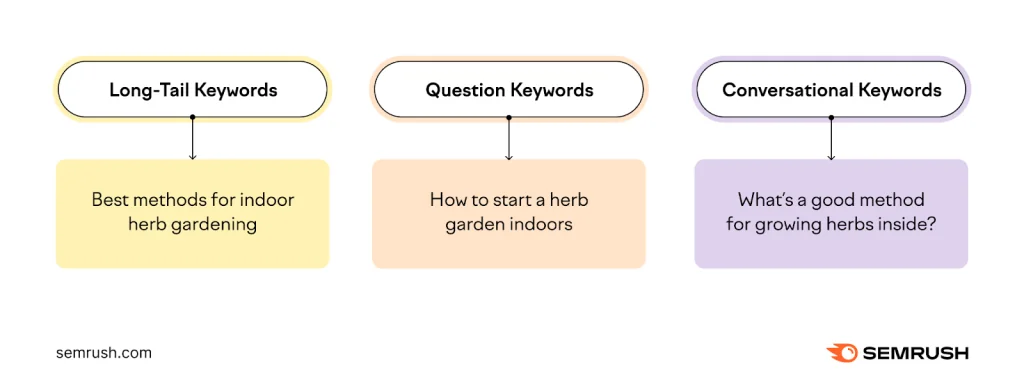
People are searching more conversationally now, asking full questions instead of short phrases. To stay competitive, your store needs to speak their language.
Source: Semrush
How to optimize for modern search:
- Use natural language in product descriptions and FAQs
- Add structured data for products, reviews, and pricing
- Create content that answers “who,” “what,” “why,” and “how” questions
- Keep your brand consistent, so AI-driven search engines recognize and trust your store
By adapting to conversational and semantic search, you make your store easier to find and more appealing to both humans and AI.
Off-Page SEO & Authority Building for Shopify Stores
Backlinks are still important, but in 2026, quality and relevance matter more than sheer quantity. Building authority helps search engines trust your store and improves rankings.
Ways to build authority:
- Get mentions through digital PR and relevant brand shoutouts
- Collaborate with niche influencers and publishers
- Earn links by creating high-value guides or resources
- Encourage brand searches and unlinked mentions, which are strong trust signals today
Focusing on authority signals helps your Shopify store stand out and earn long-term visibility.
Shopify SEO Analytics & Performance Tracking
You can’t improve what you don’t measure. Tracking the right metrics ensures your SEO efforts translate into real business results.
Essential metrics to monitor:
- Organic traffic to products and collections
- Keyword performance based on search intent
- Conversion rates from organic sessions
- Revenue generated from SEO efforts
Tools like Google Search Console, GA4, and Shopify Analytics make it easy to connect SEO actions directly to business performance.
Common Shopify SEO Mistakes to Avoid in 2026
Even experienced stores can fall into avoidable traps. This includes:
- Relying only on SEO apps without a clear strategy
- Ignoring the collection page optimization
- Publishing thin or repetitive content
- Treating SEO as a one-time task
Remember, SEO is ongoing. It evolves with algorithms, competition, and customer behavior, so continuous improvement is key.
Conclusion
In 2026, the Shopify stores that truly succeed won’t be the ones spending the most on ads. They’ll be the ones investing in smart, experience-driven SEO strategies that scale with their growth.
By following this ultimate Shopify SEO checklist, you can boost your rankings, convert more visitors, and grow sustainably, no matter how algorithms change. SEO today isn’t just about getting seen; it’s about credibility, performance, and trust.
For brands ready to accelerate growth, working with experienced Shopify SEO specialists from Icecube Digital can help you uncover opportunities, fix technical barriers, and turn organic traffic into measurable revenue.
Now is the high time to audit, optimize, and future-proof your Shopify store, so your SEO becomes a real competitive advantage.


